How can you create the perfect beat for a recording artist?
The truth is, there’s no such thing as a perfect beat. It’s all in the ears of the listener.
However, in order to achieve the best possible final result, beat producers pay attention to certain things while creating the beat. As a beatmaker, you serve as a creative director and instrumentalist whose goal is to give the recording artist’s vocals as much punch as possible.
With the following tips, you’ll be able to craft a beat that the recording artist will delight in rapping and singing over, with their vocals being both supported and showcased.
1. Creating Strong Rhythms and Grooves
The rhythm of the beat is the backbone of everything. It carries and centers the entire song.
For the recording artist, the rhythm is the most essential element, as the vocals are based around it! The rhythm gives drive to the words of the recording artist, and if there’s no rhythm, everything falls apart.
Provide the vocalist with a solid foundation to rap over – steady, constant, and predictable enough that they can stay on the beat.
2. Simplicity in Beatmaking
What’s the purpose of the beat when there’s a vocalist in the song? In most cases, the beat is there to support and highlight the vocalist. Don’t make your beat too complicated or it will conflict with or even overpower the vocal performance.
Let’s take a listen to few of the most popular hip hop songs of all time:
While listening to the tracks, we can hear that the beats are extremely simple. This simplicity is deliberate, because the purpose of the beats is to highlight the vocal performance. However, simple does not mean unsophisticated; these beats have a lot of thought behind them, and in reality, their technical aspects may be very complicated and difficult to replicate.
3. Mixing Techniques: Creating Room in the Beat
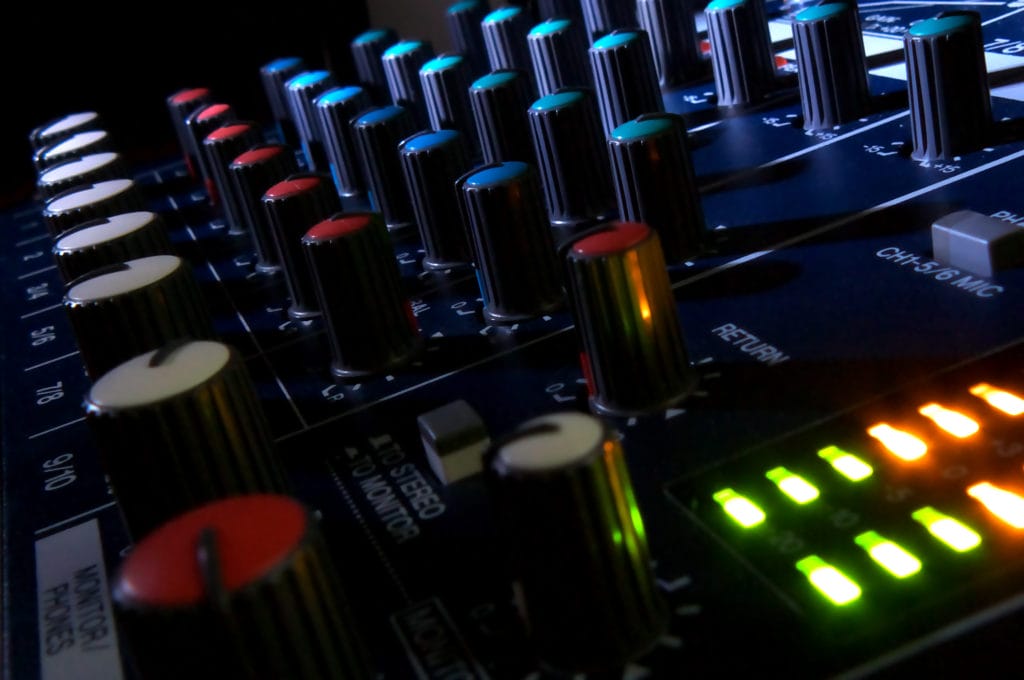 Besides making the beat sound simple with the composition and arrangement, there is another way to make sure the vocals stand out in the track. This is done by leaving room for them in the mix; vocals are the focal point of a song and commonly positioned in the center of the stereo field. To put it simply, when you’re listening to a song, the vocals are not coming from the left speaker or the right speaker: the vocals are placed in the center of the mix.
You cannot place all the sounds and instruments in that same center position or they will clash with the vocals – make some space!
When mixing, take advantage of the entire stereo field, but make sure everything sounds balanced, and that the vocals are shining through.
4. Highlighting The Chorus
In modern music, it’s often the chorus that is the highlight of a song. How often do you remember a chorus of a song but nothing else? Exactly.
Creating a chorus in a beat can be tricky. It has to be simple enough to not overpower the vocal performance, but distinctive enough to be the highlight of the song. When building a chorus without hearing the vocals first, it’s easy to fill the beat with too many distinctive melodies and sound elements.
My personal preference for creating a chorus is to add “mass” to the beat. Keep the beat simple by not adding too many distinctive or complicated melodies into the chorus. Instead, add melodies and sound elements that are simple and build the beat up. With this method, it sounds like the chorus is big and magnificent, but it doesn’t get in the way of the vocalist.
Here’s an example. Overall, the beat and all the melodies are very simple but the chorus is still very distinctive. Try this: see if you can determine when the transition from verse to chorus takes place:
The verse-to-chorus transition happens at [0:52], as marked by the little melodic motif and the drums temporarily dropping out!
5. Beat Structure and Arrangement
The art of properly structuring a beat is vastly underrated. A beat should be created and structured in a way that it’s essentially a fully finished backing track. All the different sections such as intro, verses, choruses, and outro should be there.
The importance of giving the recording artist a clear structure and framework for their vocal performance cannot be understated. However, though you want a structure the artist can follow easily, the beat should also have enough variation to keep it interesting!
6. Transitioning Between Sections
Having a clear structure in a beat is important, but the aspect of how each section transitions to the next is often overlooked. The beat can sound plain and boring if there’s nothing special happening when the beat moves from a verse to chorus.
You should use transitions to guide the listener and bind different sections together smoothly, to prepare the listener for the change. A transition between a verse and a chorus can be as simple as dropping the drums and adding a reverse crash cymbal right before the chorus starts. Even a tiny change can have a big impact.
Besides creating a feeling of anticipation, it adds contrast between the sections, making the chorus sound much bigger than it actually is.
The following track nicely showcases how I often create transitions between sections. Listen for the verse-to-chorus and chorus-to-verse switches, the somber bridge with more sparse instrumentation, and the energetic “final stretch” that brings the song home:
Mastering the Art of Beatmaking
There you have it: these are the main things I pay attention to when creating beats for recording artists!
Needless to say, there’s a lot more that goes into making beats. Everything varies depending on the beat, song and project. After all, it’s a creative process and not a mindless task – It’s art. Ultimately, beats needs to have soul and groove, and that is where every producer can insert their personal touch!
Get into the habit of listening to the beats behind your favourite songs. How dense or sparse are they? What makes them memorable? And, most importantly, do they support the vocals?

Frequently Asked Questions
What is beatmaking?
Beatmaking is the creation of instrumental tracks for rap and hip-hop songs. The beat provides the punchy, catchy foundation that supports vocals and gives the song its impact. Without a well-crafted beat, vocals would float unsupported and lose their power.
Is there a perfect beat formula?
There’s no such thing as a perfect beat—it’s all in the ears of the listener. However, skilled beatmakers pay attention to certain key elements while crafting beats to achieve the best possible final result for their recording artist and intended audience.
What makes a beat effective in hip-hop music?
An effective beat holds the song together and provides essential impact to the track. The instrumental foundation supports the vocals, preventing them from floating aimlessly. When the beat is well-crafted, it creates the punchy, catchy quality that defines memorable rap and hip-hop tracks.
Should beatmakers use drum machines or live drummers?
Both have advantages. Drum machines offer precision and consistency, while human drummers create natural fractal patterns that are pleasing to the ear. Some modern musicians blend both approaches, incorporating the organic feel of human timing into their productions.
What Tools Do You Need to Make a Beat?
If you have a computer, you’re already most of the way there. You may be surprised to find that you have most of the gear you need to start making beats today. The good news is that you don’t have to buy an expensive home studio, nor do you have to be a technology expert. The advent of modern technology has made beatmaking accessible, intuitive, and fun.
That said, there are a few essential pieces of equipment to consider as you get started. Here’s what you need – and what you can safely ignore while you’re just beginning.
The Digital Audio Workstation (DAW). Your most important tool is a Digital Audio Workstation, or DAW for short. This is the software where all the magic happens: recording, composing, sound design, mixing, and arranging your beats. No longer do you need a collection of synthesizers, drum machines, samplers, and effects pedals to make tunes – it’s all there for you, waiting in Ableton, Garageband, Logic Pro X, or whichever software suits you best.
Your DAW makes arranging, mixing, and adding effects a breeze. It’s where you’ll handle the technical aspects that make beats sound professional. Understanding how to use digital audio workstations, EQing, effects, and track mixing means you can effectively be your own audio engineer. Plus, learning to mix yields enormous benefits for your musicality. You’ll discover the frequencies of different instruments, the effects you can add to alter their sound, and much more.
MIDI Controller. A MIDI controller is another piece of equipment to consider. This is typically a keyboard or pad controller that lets you input musical information into your DAW. While you can program beats with just your mouse and keyboard, a MIDI controller makes the process more intuitive and musical, allowing you to play in melodies, drum patterns, and chord progressions in real time.
Audio Interface and Mixing Equipment. As you develop your beatmaking skills, you’ll want to think about an audio interface and mixing equipment. An audio interface connects microphones, instruments, and studio monitors to your computer, giving you the ability to record live audio and hear your beats with professional-quality sound. Mixing equipment ensures you’re hearing an accurate representation of your beat, which is crucial when you’re making decisions about levels, EQ, and effects.
Synthesizers, Drum Machines, and Beyond. Once you’ve got the basics down, you might want to expand your palette with synthesizers and drum machines. These can be hardware units or software plugins within your DAW. If it makes sound, you can make a beat out of it – and experimenting with different sound sources keeps your beats fresh and unique.
Some beatmakers even incorporate unconventional instruments. The turntable, for example, can be a powerful creative tool. Using a technique known as scratching, you can take any piece of a recorded song and turn it into a whole musical universe, manipulating rhythm and pitch in real-time to create infinite combinations.
The Most Important Tool: Your Musicality. There’s a growing trend of music producers who rely solely on what the computer can produce with knobs, faders, and effects. While this takes skill in itself and yields some incredible music, any beatmaker will benefit from picking up a few instruments and developing their musical understanding.
When you do, you’ll be able to troubleshoot why a certain drum beat sounds canned, or why that melody you programmed doesn’t quite work. You can save money by recording instrumental parts yourself, or mix live audio of your instrumental performance with the loops and presets in your software. Understanding both the technical tools and the musical principles behind them will make you a more effective, creative beatmaker.
So don’t feel overwhelmed. Start with a DAW and a computer, and build from there as your skills and ambitions grow. The tools are more accessible than ever – all you need is a love for making music.